Table of Contents
1. What Is a Recursive Engine? 2. Why Traditional Software Is Limited 3. Feedback Loops 4. Artificial Memory 5. Knowledge Graphs 6. Recursive Learning 7. Hypothesis Generation 8. Abstraction 9. Cognitive Evolution 10. CytoREWhat Is a Recursive Engine?
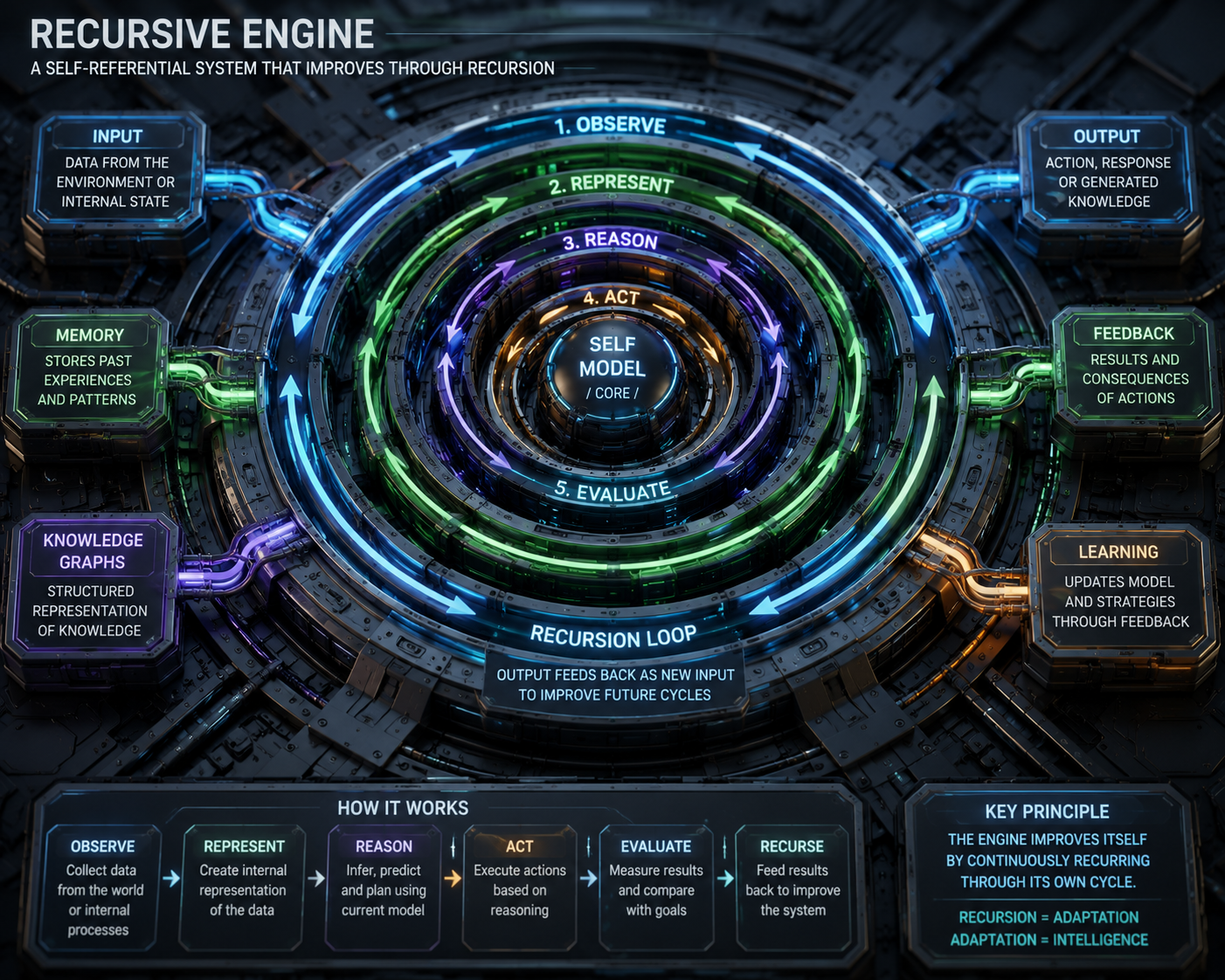
A Recursive Engine is a cognitive system capable of using its own knowledge, memory and previous outputs to influence future reasoning processes. Unlike traditional software, which follows predefined instructions, recursive systems continuously analyze, organize and refine their internal knowledge structures.
The core idea behind recursion in cognition is that the system can revisit information, evaluate previous conclusions and generate new insights based on existing knowledge. This creates a feedback-driven learning process rather than a fixed sequence of operations.
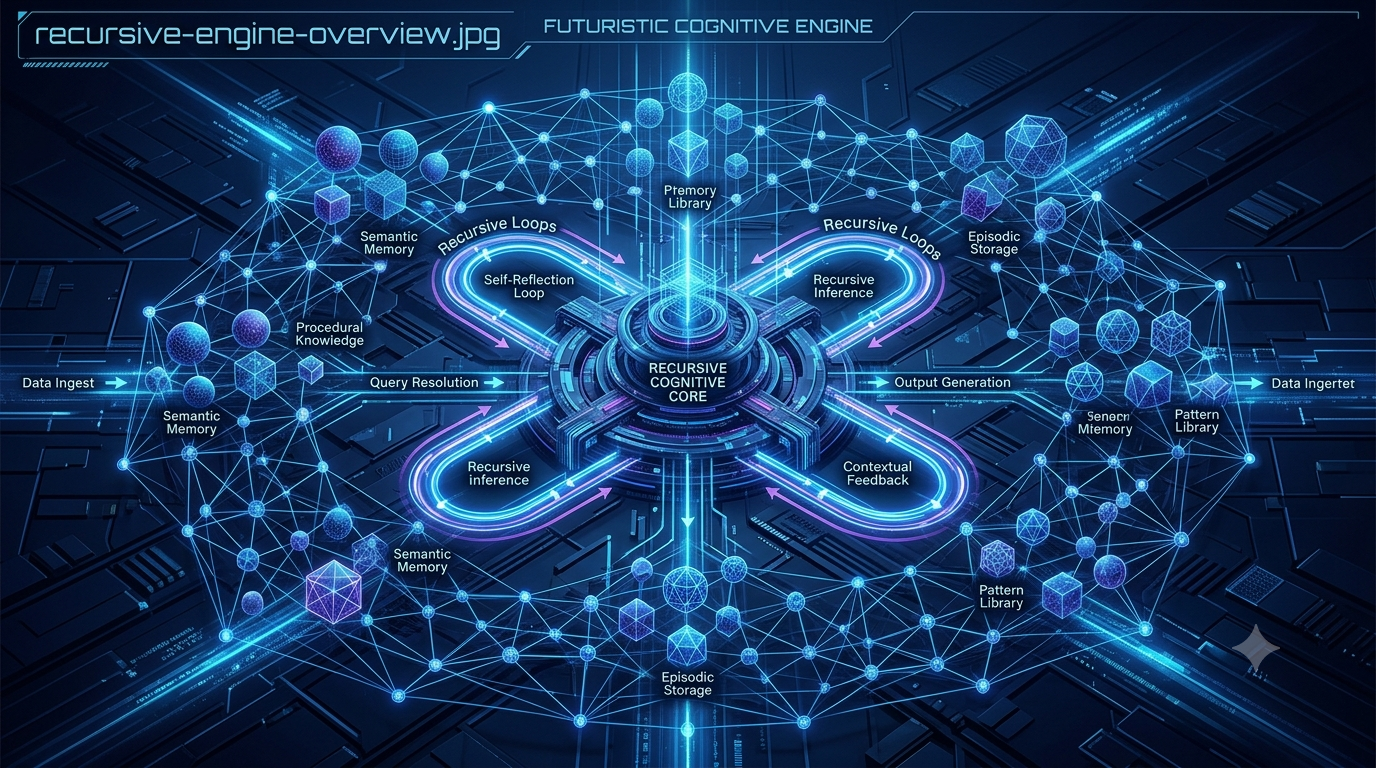
In many ways, recursive engines attempt to mimic some of the characteristics associated with human cognition:
• Memory
• Pattern recognition
• Abstraction
• Knowledge organization
• Hypothesis generation
• Continuous refinement
Why Traditional Software Is Limited
Traditional software is extremely effective for well-defined tasks. A calculator computes numbers. A database stores records. A search engine retrieves information.
However, most traditional applications do not develop new internal structures of knowledge. They execute instructions but rarely reorganize their understanding of information.
This creates a limitation when dealing with large, complex and interconnected domains where relationships between concepts matter as much as the concepts themselves.
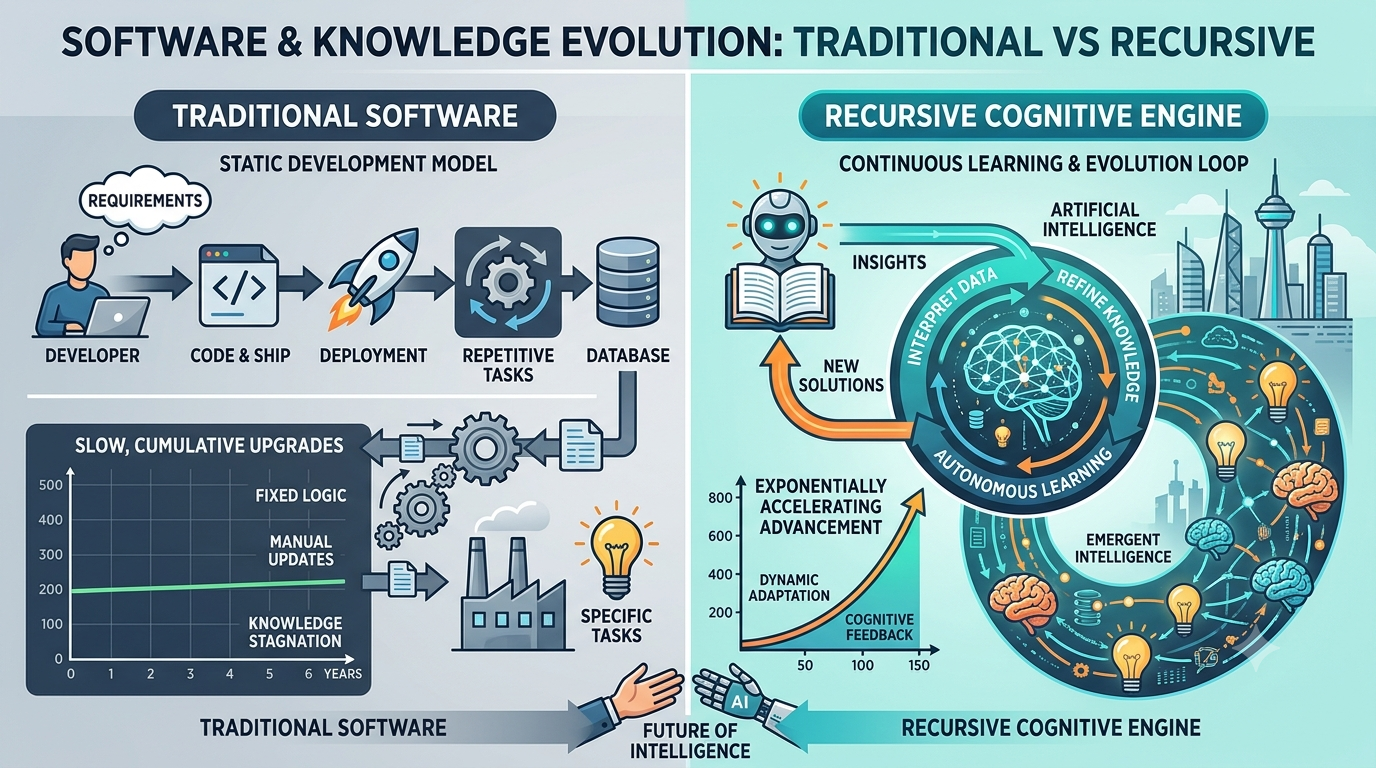
Recursive engines address this limitation by treating knowledge as a dynamic structure that can evolve over time. Instead of simply storing information, they analyze how pieces of information relate to one another.
Feedback Loops
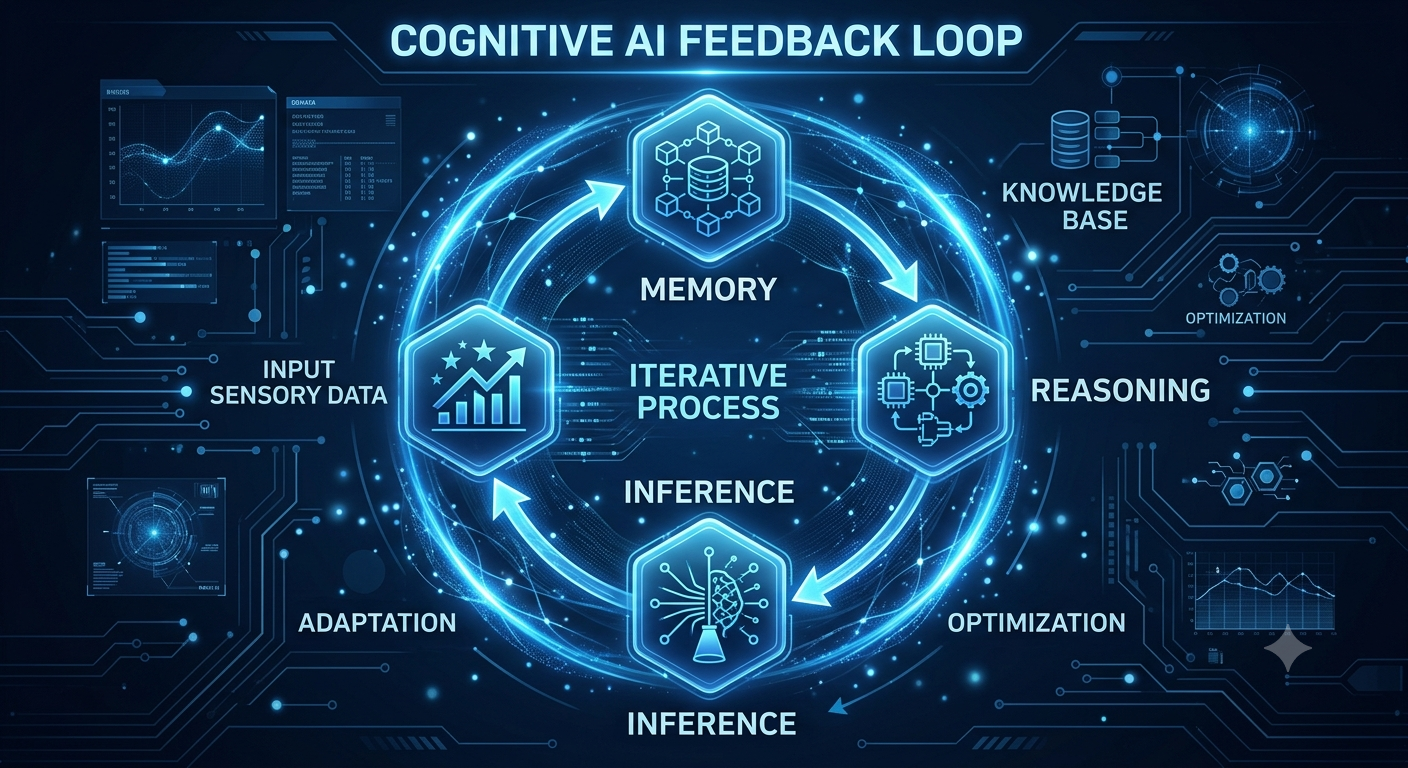
Feedback loops are one of the most important mechanisms inside recursive systems. A feedback loop occurs when the output of a process influences future executions of that same process.
This creates a cycle of continuous refinement. Each new observation can affect future reasoning, allowing the system to adapt and improve its internal representation of knowledge.
For example:
Observation → Memory Update → New Inference → Knowledge Expansion → Better Future Inference
This process can repeat indefinitely, creating a system that becomes increasingly sophisticated as knowledge grows.
Artificial Memory
Memory is one of the foundational components of any recursive engine. Without memory, a system would be forced to treat every interaction as completely new.
Artificial memory allows knowledge to persist over time, forming the basis for learning, reasoning and adaptation.
In recursive engines, memory is often represented through structured knowledge networks rather than simple lists or databases.
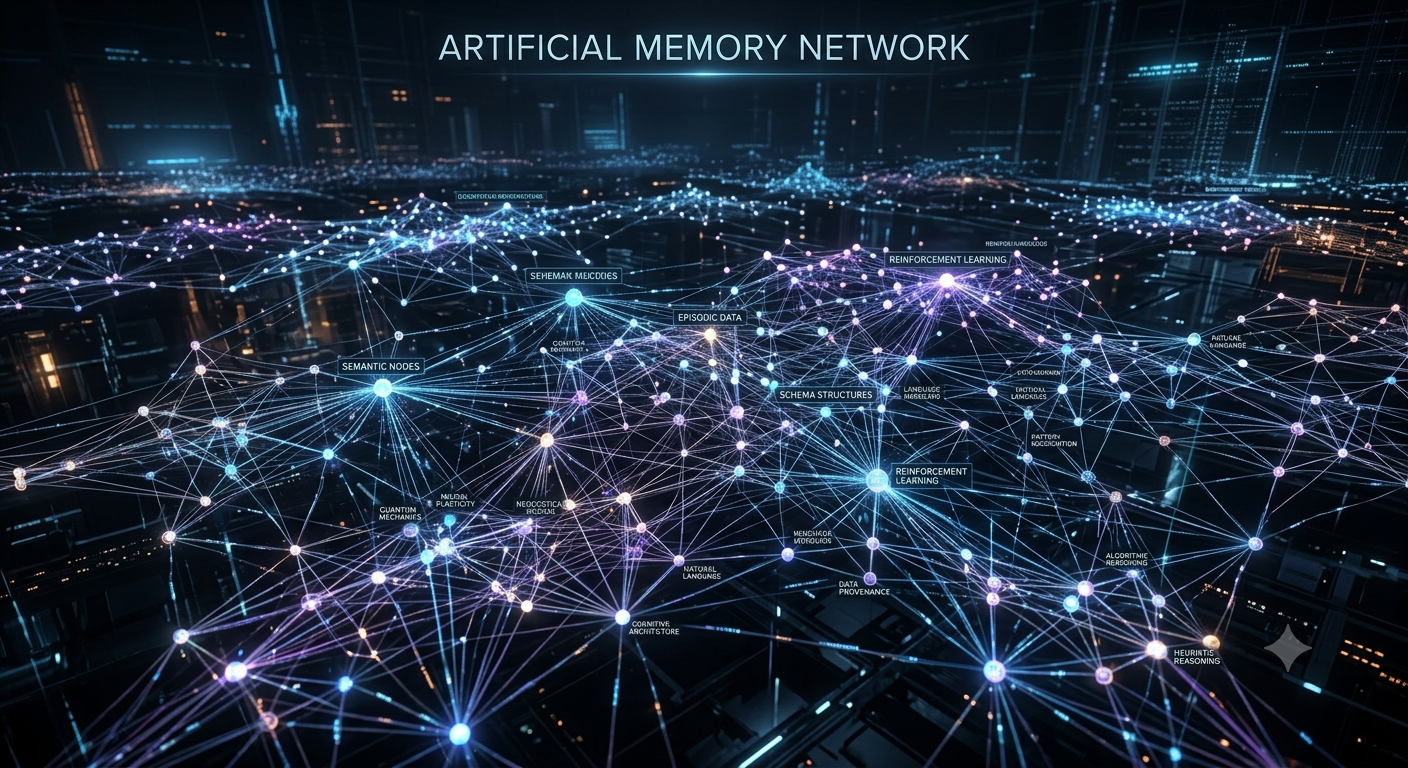
Effective memory systems often include:
• Long-term knowledge storage
• Working memory
• Concept relationships
• Usage tracking
• Knowledge consolidation
• Controlled forgetting
These mechanisms help maintain relevance while preventing the uncontrolled growth of information.
Knowledge Graphs
One of the most effective ways to organize knowledge inside a recursive engine is through a knowledge graph. A knowledge graph represents information as a network of connected concepts rather than isolated records.
Each concept becomes a node. Relationships between concepts become edges. Together they form a dynamic structure capable of representing complex domains of knowledge.

For example:
Artificial Intelligence → Machine Learning
Machine Learning → Neural Networks
Neural Networks → Computer Vision
As the graph grows, the engine gains the ability to discover hidden relationships, identify clusters of related concepts and build higher-level abstractions.
Knowledge graphs provide several advantages:
• Structured memory
• Fast relationship discovery
• Concept clustering
• Knowledge navigation
• Inferential reasoning
• Cognitive scalability
Recursive Learning
Recursive learning occurs when newly acquired knowledge influences future learning processes.
Instead of treating information as static, the engine continuously revisits previous knowledge and updates its understanding.
This allows the system to evolve organically as new concepts are introduced.

A simplified recursive learning cycle may look like:
Observation ↓ Knowledge Update ↓ Relationship Discovery ↓ Inference ↓ New Knowledge ↓ Observation
Over time, this cycle creates increasingly rich internal models capable of supporting more advanced forms of reasoning.
Hypothesis Generation
One of the most interesting capabilities of recursive engines is the ability to generate hypotheses.
A hypothesis is a proposed relationship that has not yet been confirmed.
By analyzing patterns inside a knowledge graph, the engine can suggest possible connections between concepts.
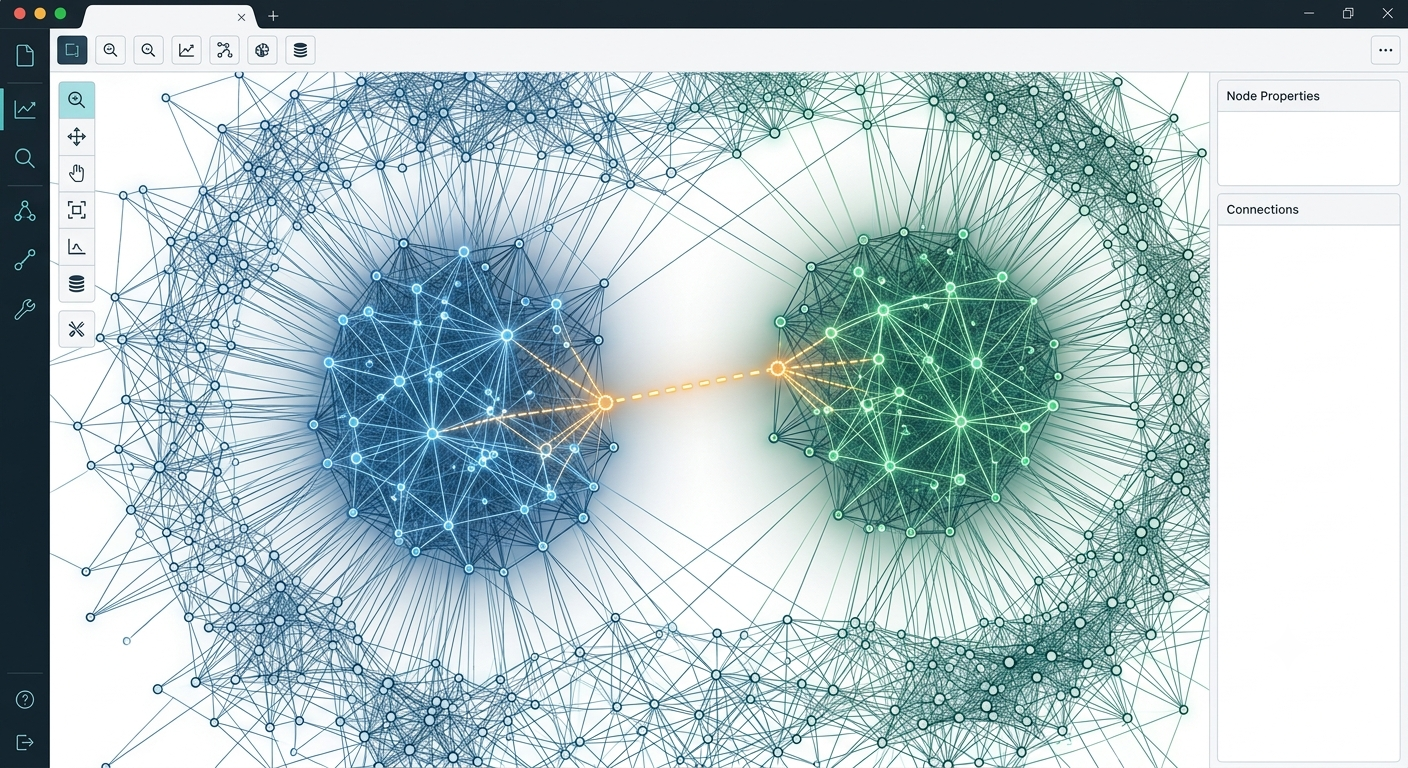
Consider the following relationships:
A → B
B → C
The engine may propose:
A → C ?
This proposed connection becomes a hypothesis. Future evidence can either strengthen or reject it.
This process allows recursive systems to explore new possibilities and discover knowledge that was not explicitly provided.
Abstraction
Abstraction is the process of identifying common patterns across multiple concepts and grouping them under a higher-level idea.
Without abstraction, knowledge graphs eventually become difficult to manage as the number of nodes continues to grow.
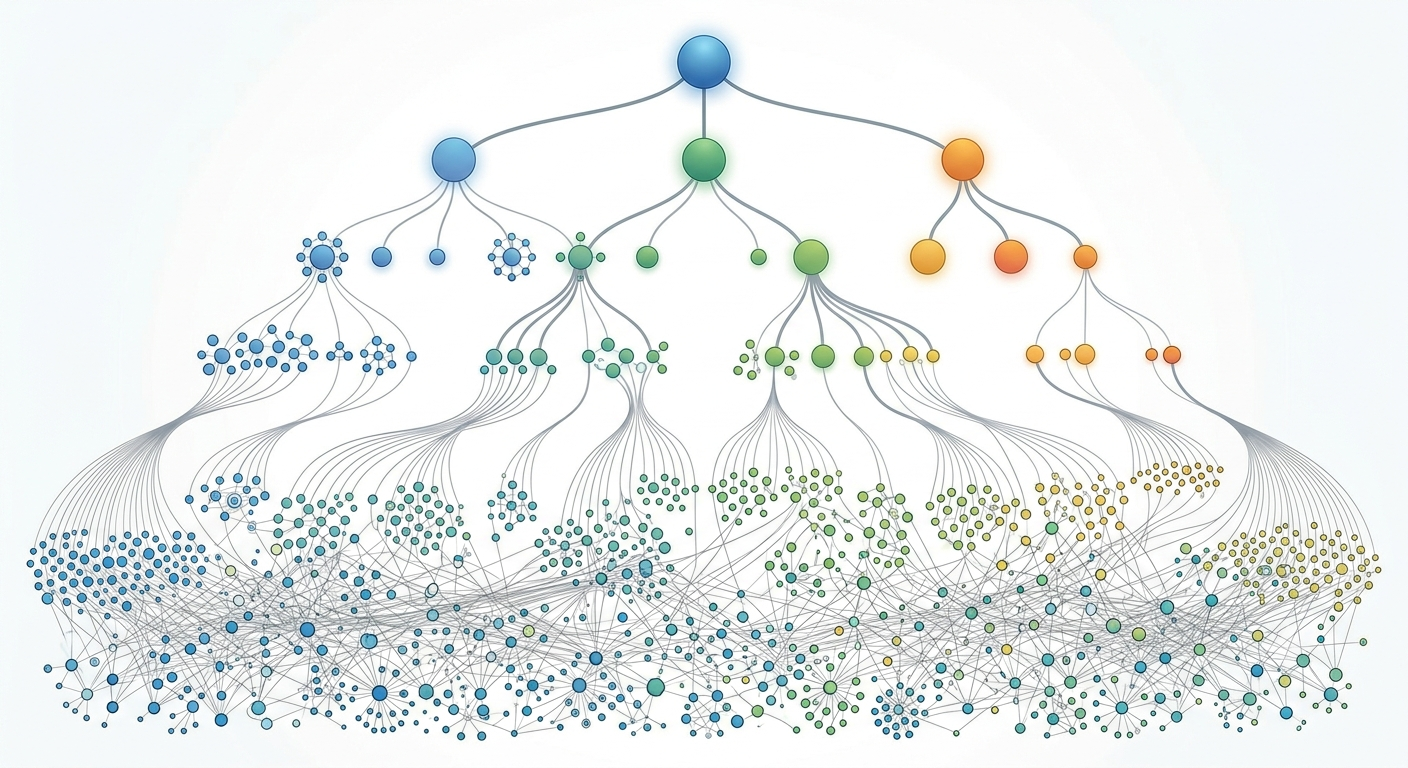
For example:
CNN
Transformer
RNN
can be grouped into:
Neural Networks
Similarly:
Dog
Cat
Horse
may become:
Mammals
Abstraction enables recursive engines to compress knowledge, simplify reasoning and build increasingly powerful conceptual structures.
As abstraction improves, the system becomes capable of understanding broader patterns rather than isolated facts.
Cognitive Evolution
One of the defining characteristics of a recursive engine is its ability to evolve. Unlike static software systems, recursive engines can continuously refine their internal structures, improve relationships and reorganize knowledge.
Cognitive evolution does not necessarily mean that the system becomes intelligent in a human sense. Instead, it means the system becomes increasingly effective at organizing, connecting and utilizing its knowledge.
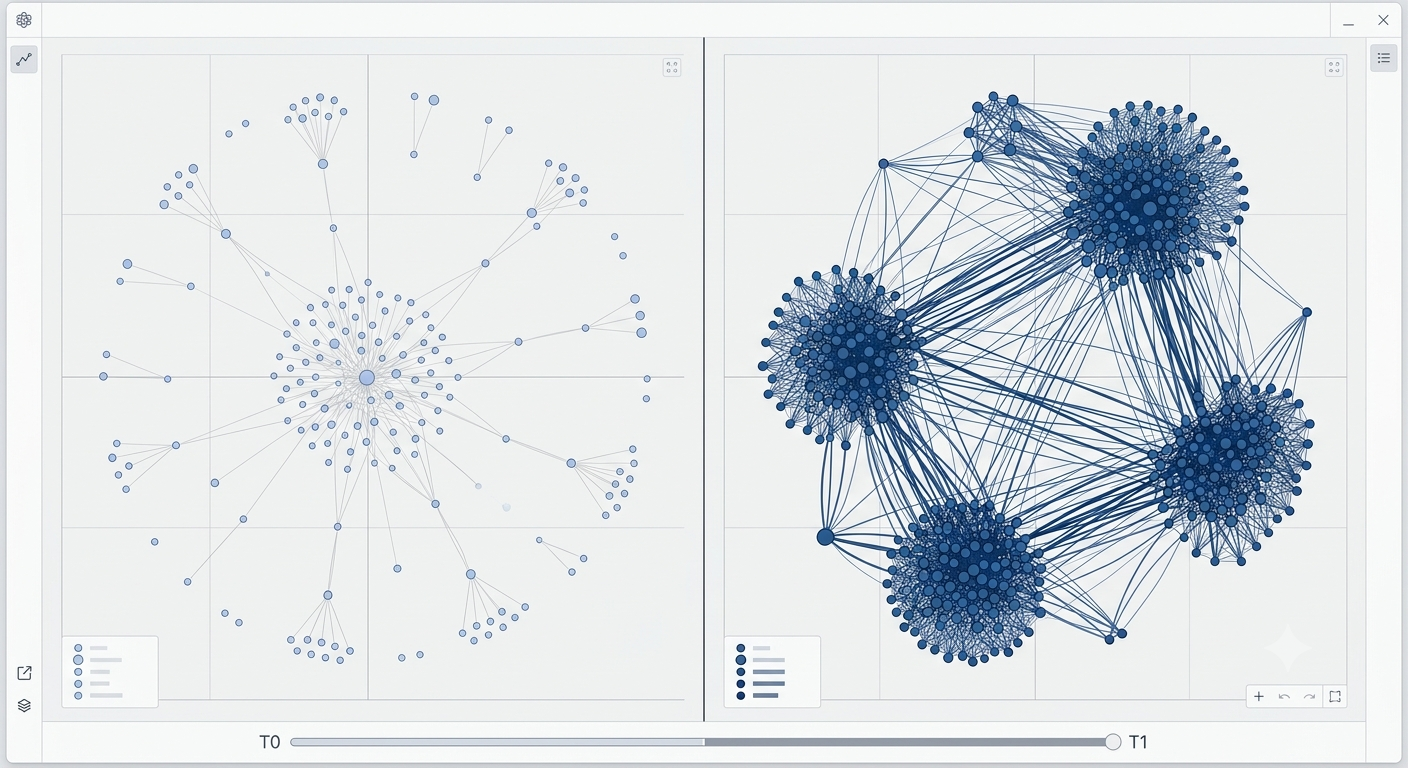
Several mechanisms contribute to cognitive evolution:
• Memory consolidation
• Knowledge refinement
• Pattern discovery
• Hypothesis generation
• Relationship optimization
• Controlled forgetting
These processes allow the system to maintain useful knowledge while reducing noise and redundancy.
How CytoRE Implements These Ideas
CytoRE (Cognitive Reasoning Engine) is an experimental recursive engine developed entirely using HTML, CSS and JavaScript.
The goal of CytoRE is not to create a chatbot or a large language model. Instead, it focuses on building a visual cognitive system capable of organizing and evolving knowledge.
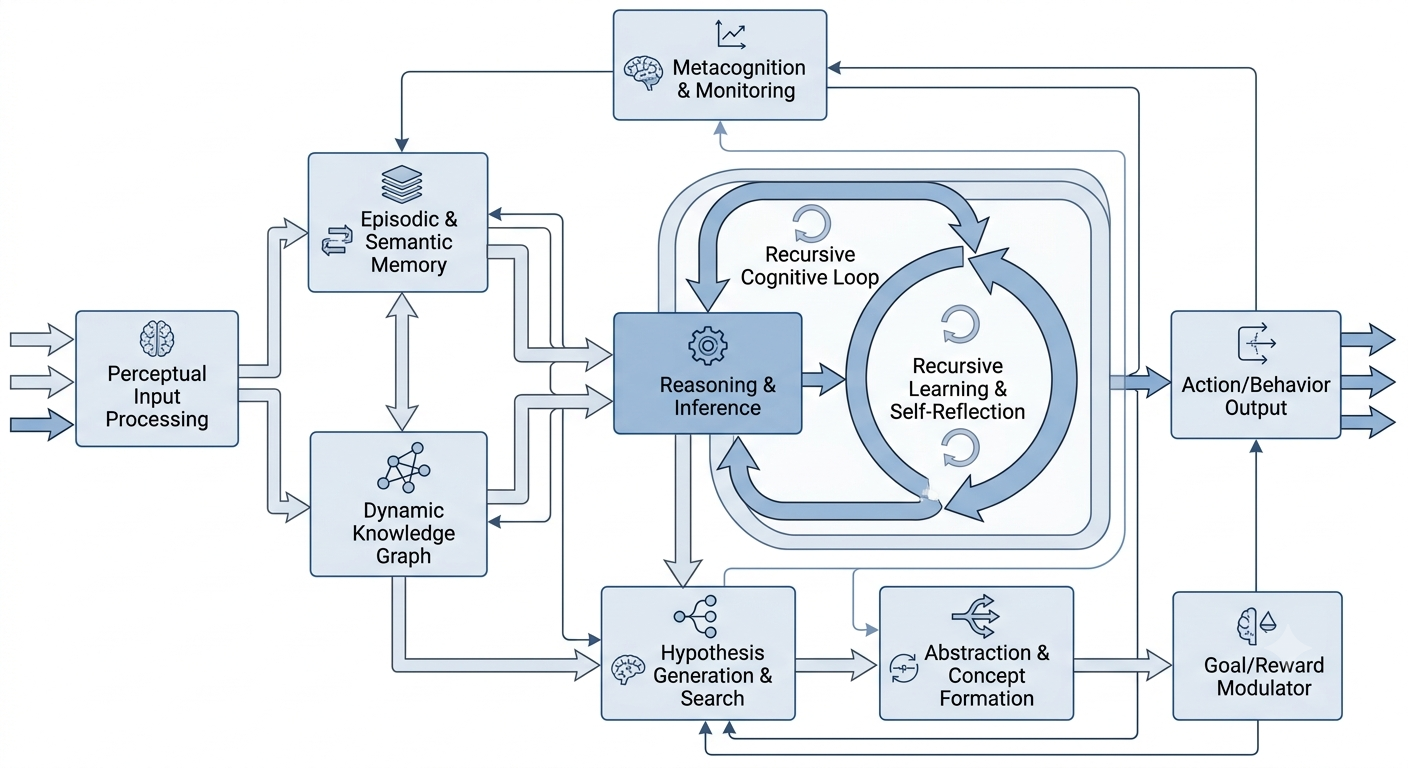
CytoRE is built around several key principles:
• Knowledge Graphs
• Cognitive Memory
• Recursive Learning
• Hypothesis Generation
• Concept Abstraction
• Evolutionary Processes
Knowledge inside CytoRE is represented as connected concepts rather than isolated pieces of information. This allows the system to discover relationships, detect patterns and build increasingly complex structures over time.
The long-term vision is to explore how cognitive architectures can emerge from recursive interaction between memory, reasoning and knowledge organization.
Future Applications
Recursive engines have potential applications across many fields of technology and research.

Possible future applications include:
• Scientific knowledge organization
• Research assistance
• Cognitive mapping
• Knowledge discovery
• Educational systems
• Autonomous reasoning systems
• Artificial memory research
• Advanced decision support
As recursive architectures continue to evolve, they may become an important area of research alongside machine learning and traditional AI.
Frequently Asked Questions
What is a recursive engine?
A recursive engine is a cognitive system that uses memory, feedback loops and knowledge structures to continuously refine its understanding of information.
How is a recursive engine different from a chatbot?
A chatbot focuses on generating responses. A recursive engine focuses on organizing knowledge, finding relationships and evolving cognitive structures.
Does CytoRE use a Large Language Model?
No. CytoRE is designed as a graph-based cognitive system rather than a traditional LLM.
Why are knowledge graphs important?
Knowledge graphs allow information to be represented as connected concepts, making it easier to discover patterns and relationships.
Conclusion
Recursive engines represent a fascinating approach to cognitive computing. By combining memory, feedback loops, knowledge graphs, abstraction and evolutionary processes, these systems can continuously reorganize and improve their internal understanding of information.
Projects such as CytoRE explore how these ideas can be implemented directly within web technologies, opening new possibilities for experimentation and research in artificial cognition.